Virginia Vegetable Planting Calendar by Region
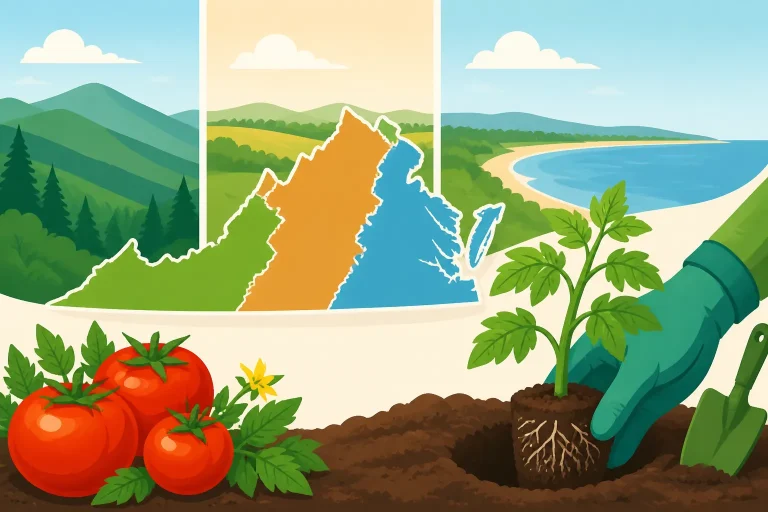
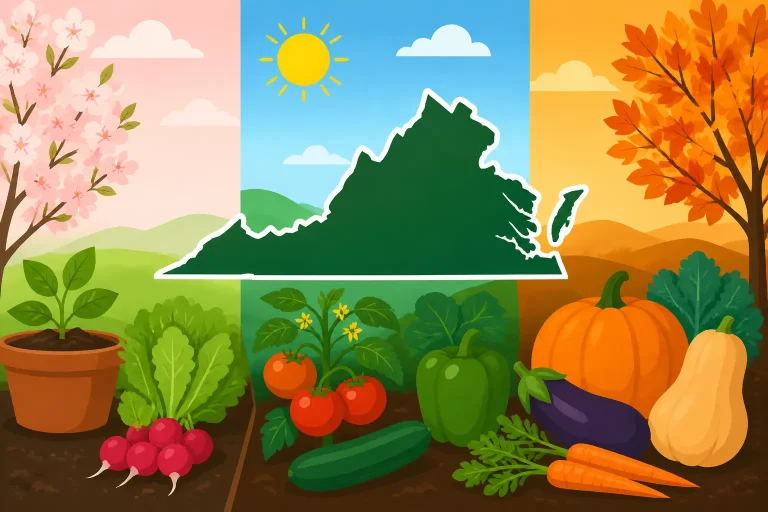
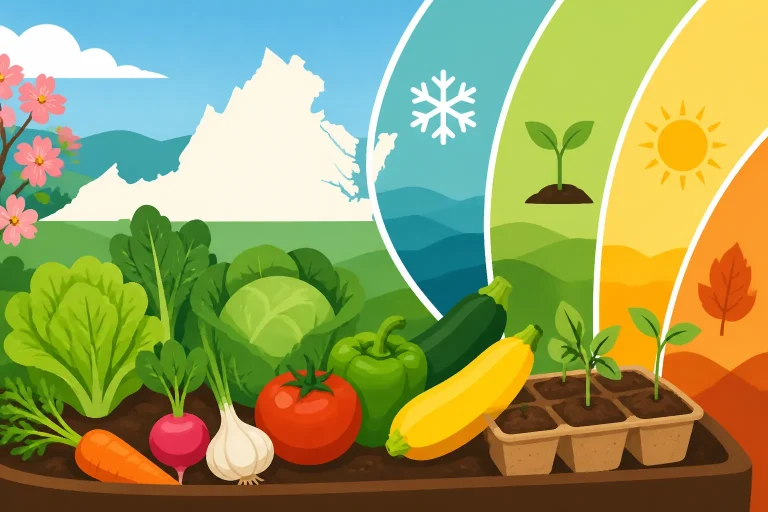
Virginia gardeners often need more than a statewide list of planting dates. Coastal gardens, Piedmont yards, valley plots, and mountain sites warm and cool at different rates. This calendar explains how to adjust vegetable planting by region, crop type, soil conditions, and frost risk, so you can make useful decisions even when the weather does not follow a tidy schedule.
How to use a Virginia planting calendar
A planting calendar is a starting point, not a guarantee that a bed is ready. The same crop can be planted at different times across Virginia because spring warmth, autumn cooling, elevation, soil drainage, and exposure vary. A workable plan combines regional guidance with what is happening in your own garden.
Begin by identifying your location and the broad region it belongs to: Coastal Plain, Piedmont, Shenandoah Valley, or mountain areas. Then consider whether the garden sits in a low pocket, on a slope, beside a warm wall, or in an open, windy place. These details can make the growing conditions on your property differ from those in a nearby town.
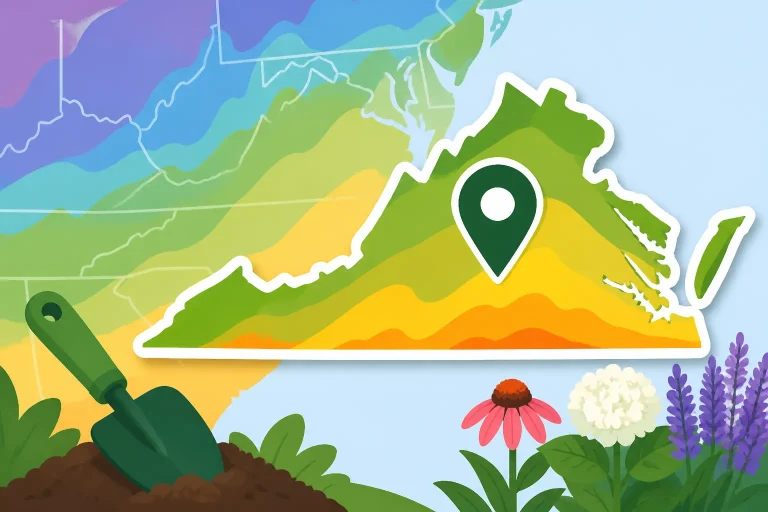
Hardiness zones are useful for selecting plants that can survive winter, but they do not tell you when to sow vegetables. According to Virginia Cooperative Extension, gardeners can use the 2023 USDA Plant Hardiness Zone Map to identify their hardiness zone. For seasonal sowing, also consider local frost risk and whether the soil and air are warm enough for the crop. For more on the distinction, see How to Find Your Virginia Planting Zone on the USDA Map and Understanding Spring and Fall Freeze Probabilities for Planting.
A useful calendar separates crops by the conditions they prefer:
- Cool-season vegetables tolerate cool weather better than summer crops. Peas, spinach, lettuce, and many cabbage-family crops generally suit the cooler parts of spring and autumn.
- Warm-season vegetables need warmer conditions to grow well. Tomatoes, peppers, beans, squash, cucumbers, corn, and okra are usually better choices once chilly weather has passed and the soil has warmed.
- Fall crops need enough time to establish and grow before short days and colder weather slow them down. The planting opportunity depends on both the regional fall season and the crop’s growth rate.
The best calendar is therefore a sequence of decisions, rather than a fixed list of dates. Check the crop’s preferred conditions, look at the regional pattern, assess the bed, and then adjust for your yard. That approach helps prevent common problems such as sowing warm-season seeds into cold soil, setting tender transplants out before conditions are settled, or starting fall crops after the remaining growing window has become too short.
Regional planting patterns across Virginia
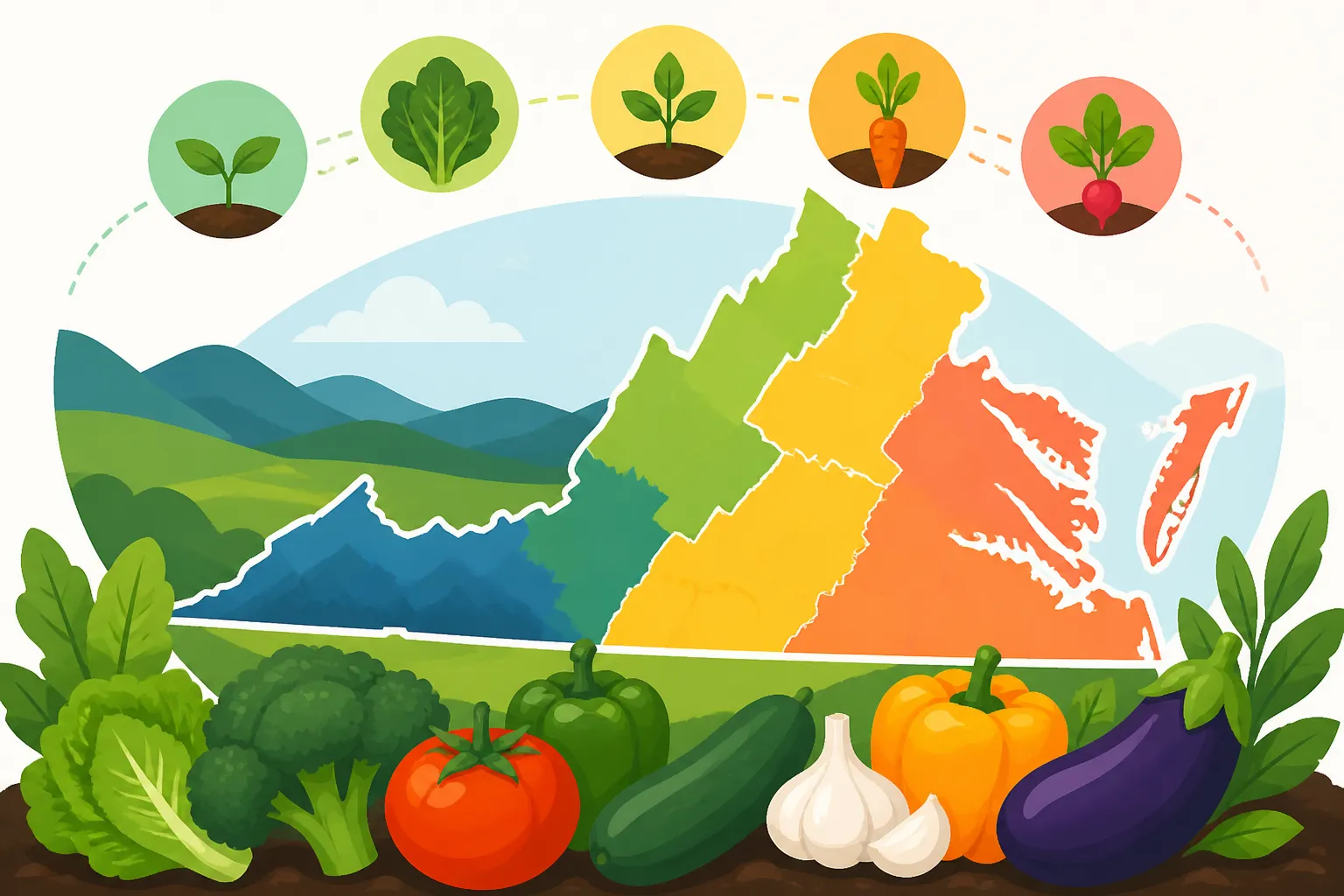
Virginia’s regions differ in how quickly they warm in spring and how long they remain favorable in autumn. These are broad tendencies, not guarantees for every county or garden. A sheltered urban plot can behave differently from an exposed rural bed in the same region.
| Region | Broad seasonal pattern | Calendar adjustments to consider |
|---|---|---|
| Coastal Plain and Tidewater | Often milder in winter and earlier to warm in spring than inland or elevated locations | Watch for cold, wet soil despite mild air; plan carefully for summer heat and moisture |
| Piedmont | A transition between the coast and higher inland terrain, with local variation in exposure and elevation | Use local frost patterns and soil warmth rather than assuming every nearby town has the same window |
| Shenandoah Valley | Valley conditions can differ from surrounding slopes and higher ground | Pay attention to cold-air settling in low spots and to the direction of slopes |
| Mountain areas | Higher elevation and exposed sites can delay spring readiness and shorten the favorable autumn window | Choose early-maturing or cold-tolerant crops where needed, and avoid treating a warm spell as a dependable season change |
Coastal Plain and Tidewater
Coastal Plain gardens may become workable earlier in spring than mountain or inland sites, but an early calendar does not mean every bed is ready. Heavy rain can leave soil cold and sticky, and a sunny stretch can be followed by chilly conditions. A bed that is too wet is difficult to work without damaging its structure, even when daytime temperatures feel pleasant.
Cool-season vegetables can make use of the milder shoulder seasons, but heat arrives quickly enough that spring crops may bolt, turn bitter, or lose quality once conditions become hot. Choose a location that is easy to water and keep an eye on crops that are sensitive to heat. For more regional detail, see Tidewater Planting Calendar: Making the Most of an Earlier Spring and Coastal Virginia Vegetable Gardening: Spring Through Fall Timing.
Warm-season crops still need suitable soil and settled weather. Do not let a mild winter or an early warm spell substitute for checking the bed. Tomatoes, peppers, eggplant, squash, and cucumbers can stall when planted into conditions that remain cold or fluctuate sharply. In a damp coastal bed, drainage and soil warmth may be more important than the air temperature on a pleasant afternoon.
Autumn can offer another planting opportunity, but the change from hot soil to cooler air is not immediate. Seeds may struggle to germinate in dry, overheated ground, while later sowings can run short of light and growing time. Prepare a fall bed before you need it, and keep the seedbed evenly moist while seeds germinate.
Piedmont
The Piedmont has a mix of open yards, wooded edges, slopes, and urban neighborhoods. Its planting pattern generally sits between the milder Coastal Plain and cooler mountain settings, but that does not make the region uniform. A high, exposed lot may lag behind a sheltered garden in a built-up neighborhood, while a low area may collect cold air.
Use local conditions to decide when to move from cool-season crops to warm-season crops. Peas and leafy greens may be suitable while spring remains cool, but they can lose quality as temperatures rise. Tomatoes and other tender crops should wait until soil and weather are favorable, rather than being planted just because the calendar has reached a familiar point in the season.
The Piedmont can support a broad range of spring and autumn vegetables, but fall planting requires planning ahead. A seed packet’s days-to-maturity information can help compare crop options, but it is not a promise of harvest by a particular date. Cooler weather, shorter days, shade, and slow germination all affect how quickly a crop reaches harvest. Piedmont Virginia Planting Calendar: Spring to Fall Windows offers a regional companion for planning these transitions.
Shenandoah Valley
The Shenandoah Valley is not simply a single planting zone or a single weather pattern. Valley floors, slopes, and nearby higher ground can experience different conditions. Low pockets may hold cold air, while a sunny slope can warm faster. Wind exposure and soil drainage also influence how early a bed becomes workable.
For spring planting, be cautious about using a warm day as evidence that a garden is ready. Look for soil that is no longer waterlogged and is suitable for the crop you want to plant. Cool-season seeds may tolerate conditions that would hold back tender summer vegetables. If the soil is cold and wet, waiting can be better than trying to force the season.
The valley’s autumn planting opportunity depends on the crop and the site. A protected garden may keep producing longer than an exposed bed, but shorter days still slow plant growth. Plan fall vegetables with their expected maturity and your local frost pattern in mind. For more detailed seasonal planning, use Shenandoah Valley Garden Calendar: Monthly Sowing and Tasks.
Mountain areas
Mountain gardens often need a cautious spring plan. Higher elevation, shaded slopes, and exposed locations can keep soil cool after lower areas have started planting. A warm spell may be brief, and tender crops can be set back if cold returns. Use a site’s own conditions rather than borrowing a planting schedule from a lower, warmer location.
Where the growing window is shorter, crop choice matters as much as planting time. Early-maturing vegetables and crops that tolerate cool conditions can be more dependable than slow-growing, heat-loving crops. If you grow tomatoes, peppers, or squash, give them a favorable start rather than planting them simply to be early. A delayed but healthy crop can outperform an early transplant that sits still in cold soil.
Autumn planning also needs to be deliberate. Crops that need a long period to mature may not be a good fit for a late sowing in a cool or exposed site. Use the seed packet as a guide, then allow for slower growth as light and temperatures decline. Sowing Vegetables in Mountain Valleys After Final Frosts and Fitting Warm-Season Crops into Shorter Mountain Growing Seasons cover these challenges in more detail.
Plan spring planting by crop and conditions
Spring planting works best when you move from cold-tolerant crops toward tender crops as the garden changes. The transition is gradual. It is possible to sow some crops while nights are still cool and wait longer for others that need warmth. This avoids the all-at-once approach that can leave a garden exposed to an abrupt cold spell.
Start with cool-season crops
Peas, spinach, lettuce, and many members of the cabbage family are common early-season choices. They generally handle cool conditions better than tomatoes or beans, but that does not mean they thrive in soil that is saturated or hard to work. If a bed is muddy, let it drain before preparing it. Working wet soil can compact it and make later cultivation harder.
Direct sowing is often convenient for crops that establish well from seed outdoors. Use the seed packet for depth and spacing, and keep the seedbed moist while germination is underway. If a sudden dry spell follows sowing, seeds can fail before they emerge even if the surrounding garden looks damp.
Transplants can give crops a head start, but they need to be prepared for outdoor conditions. Plants raised in a protected indoor setting can be shocked by sun, wind, and changing temperatures. Gradually expose them to outdoor conditions before setting them into the garden. The process is often called hardening off. See Virginia Seed Starting: Direct Sowing vs Indoors and Hardening Off Vegetable Seedlings for Virginia Garden Beds for help choosing and preparing seedlings.
Cool-season crops can also be planted for autumn harvest. That second opportunity is easy to miss because summer harvests occupy attention, but the seedbed needs time to establish before weather cools. Prepare space in advance by deciding which summer crops will finish and which bed can be cleared.
Wait for warmth before tender crops
Warm-season crops have different needs from cool-season crops. Tomatoes, peppers, eggplant, cucumbers, squash, beans, corn, and okra are all vulnerable to prolonged cold conditions, though their preferred planting conditions are not identical. Soil warmth and stable weather matter; a brief warm afternoon does not tell the whole story.
For transplants, examine both the forecast and the soil. A plant that goes into cold ground may pause, struggle to take up water and nutrients, or become more vulnerable to damage. A warm, sheltered site may be ready before a shaded or exposed one. This difference can be significant even within the same neighborhood.
Direct-sown warm-season crops also need suitable ground. Seeds may rot or germinate slowly in cold, wet soil. If soil is dry, newly sown seeds can fail to establish unless the seedbed receives consistent moisture. Follow the crop’s packet instructions for depth, spacing, and germination expectations. For more on this decision, see When to Plant Tomatoes and Cucumbers Outdoors in Virginia and Avoiding Cold Mud: When Virginia Soils Are Warm Enough to Sow.
Use frost information as a risk guide
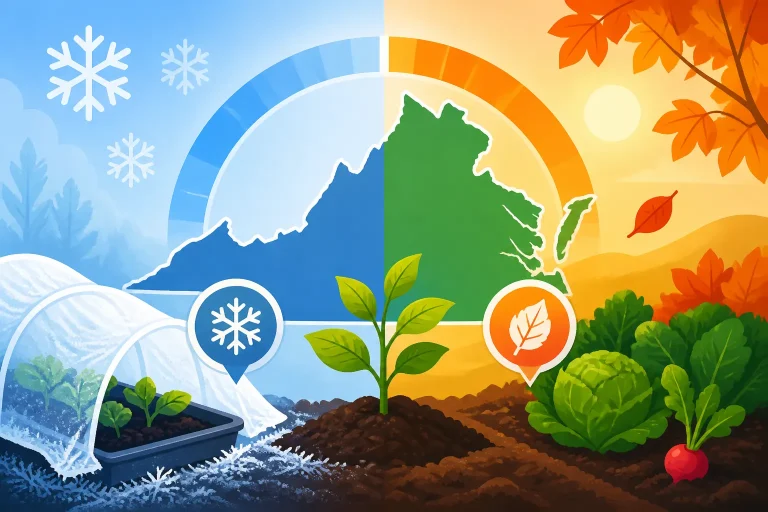
Frost and freeze information helps describe risk, but it cannot guarantee what will happen in a particular yard. A forecast can change, and a low area may experience colder conditions than a nearby slope. Rather than treating a calendar date as a safe boundary, use local weather information, the crop’s tolerance, and the protection available to you.
A garden can also have more than one useful planting window. Cool-season crops can go in while conditions remain mild, warm-season crops follow when the soil and weather suit them, and autumn crops can return as summer heat eases. The exact sequence varies by region and site. Virginia Frost and Freeze Date Guide for Gardeners explains how to interpret seasonal frost information, while Late Spring Freeze Risk: Safe Outdoor Dates for Tomato Seedlings focuses on a common tender-crop concern.
Match vegetables to seasonal windows
A regional calendar becomes more useful when it considers each crop’s needs rather than grouping all vegetables together. A bed can be ready for peas while remaining unsuitable for tomatoes. Later, the same bed may be too hot for lettuce but ideal for beans or squash. Thinking in crop groups helps you use the season without forcing every vegetable into the same schedule.
| Crop group | Examples | What to watch |
|---|---|---|
| Cool-season roots | Carrots, beets, radishes | Soil moisture, seed depth, and the time needed for roots to size up |
| Cool-season leaves | Spinach, lettuce, leafy cabbage-family crops | Heat, drying soil, and conditions that encourage bolting |
| Cool-season legumes | Peas | Cool growing conditions and adequate support for climbing types |
| Warm-season fruiting crops | Tomatoes, peppers, eggplant | Soil warmth, transplant readiness, and protection from cold |
| Warm-season vines | Cucumbers, squash, melons | Warm soil, room to spread or climb, and dependable moisture |
| Warm-season legumes and grains | Beans, corn | Warm soil and enough growing time for the chosen crop |
Roots and leafy vegetables
Carrots and beets need a well-prepared seedbed so seedlings can emerge without meeting large clods or compacted soil. Direct sowing is common, and steady moisture helps prevent a dry crust from interfering with emergence. Follow the seed instructions for depth, then avoid letting the surface dry out completely during germination.
Radishes can be useful when you want a quick crop, but their quality depends on steady growth. If the plants are stressed by dry soil or heat, roots may be small, tough, or less appealing. Leafy crops such as spinach and lettuce are also sensitive to changing conditions. Spring sowings may need to finish before heat makes the plants bolt or decline; autumn sowings need enough time to grow before cold, short days slow them.
In hot weather, shaded or partly shaded areas may extend the usefulness of leafy crops, although too little light can make growth weak. Moisture management matters: a seedbed that dries on the surface can interrupt germination, while overwatered, poorly drained ground can cause seedlings to fail. Choose the best available location for the season rather than assuming the same bed will suit every crop equally well.
Peas and other cool-season crops
Peas fit well into cool-season planning. They can be direct sown, and climbing types need support that is installed before the plants become tangled. A simple support plan also makes harvesting easier. If the weather warms quickly, peas may finish sooner than expected, so think about what will follow them in the bed.
Cabbage-family crops such as broccoli, cabbage, and kale can be grown from transplants or seed, depending on the crop and the gardener’s setup. Transplants can simplify timing, but they should be healthy and acclimated before going outside. If you sow directly, account for the time seedlings need to grow and compete with weeds. A row cover may provide a barrier or help moderate exposure in some circumstances, but it does not remove the need to match planting to weather. For general crop timing, see Setting Out Cabbage, Broccoli, and Kale Transplants Across Virginia.
Tomatoes, peppers, and eggplant
These warm-season crops are often started indoors or purchased as transplants, then moved outside when conditions are favorable. Strong, healthy seedlings are more useful than very large plants that have become stressed or root-bound. Check the plant’s condition before setting it out, and avoid leaving it exposed to harsh sun or wind without acclimation.
Tomatoes and peppers benefit from support planned at planting time. Placing a stake or cage after the plant has spread can disturb roots. Leave enough space for air to move around plants and for routine care. Crowding can make it harder to inspect leaves, water at the base, and harvest fruit.
Eggplant prefers warmth and can be slow to establish when nights and soil remain cool. A sheltered spot may help, but warmth should not be confused with dryness. Monitor moisture as the plant grows, especially during hot, windy weather. Crop-specific guides can help with transplant choices: Starting and Setting Out Pepper and Eggplant Transplants in Virginia and Spacing Tomato Transplants in Virginia Garden Rows.
Beans, corn, cucumbers, and squash
Beans are often direct sown after cold conditions have eased and the soil has warmed. Bush beans and pole beans have different support and space needs, so decide which type suits the bed before sowing. A succession of sowings can spread harvest over a longer period, but each batch still needs enough growing time and suitable conditions.
Corn depends on successful pollination, so bed layout matters. A small or narrow planting may be less reliable than a more compact block, depending on the space available. Choose a location with adequate sun and room for the plants, and consider how the crop will fit with nearby beds before sowing. Corn also uses substantial garden space, which can affect your choice of what to plant afterward.
Cucumbers and squash need warm conditions and room to grow. They may be trained vertically if the structure and variety suit that approach, or allowed to trail if space permits. Their leaves can become dense, so plan access for watering and harvesting. Do not sow into dry, hot soil and then leave the bed unattended; consistent moisture is important during establishment. For specific comparisons and timing, see When to Plant Cucumbers and Summer Squash in Virginia and Direct-Sowing Bush and Pole Beans: Spacing and Seed Needs in Virginia.
Keep the garden productive through summer and autumn
A planting calendar should not end when spring crops are harvested. Summer beds can provide space for additional sowings and autumn vegetables, provided the crop has time to establish. Planning the next crop before a bed is empty makes the transition easier and reduces the chance that ground sits unused while you decide what to do.
Plan successions around the bed, not just the seed packet
A succession planting is a later sowing of a crop or a new crop placed after an earlier one. It can make harvests more manageable and help use a bed across changing seasons. For example, a spring crop may be followed by a warm-season vegetable, then by a fall crop after the summer plants are removed.
Before sowing, consider what is actually available: the bed’s sun exposure, irrigation access, soil condition, and remaining growing window. A crop that fits the calendar may still be a poor choice if it will be shaded by a tall neighboring plant or if the bed dries out quickly. Remove spent plants and weeds, restore the seedbed surface, and water the area if it is dry before sowing.
Use the crop’s expected maturity as a planning aid, not a guaranteed harvest deadline. Seed packets describe conditions under which the crop may reach maturity, but garden conditions can slow growth. In autumn, shorter days and cool weather can extend the time a crop needs. If the planting opportunity is narrowing, choose a crop with a shorter expected time to harvest and a tolerance for cool conditions. See Planning Multi-Crop Successions Across Virginia Beds and Succession Planting: Moving from Summer Vegetables to Fall Crops.
Make room for fall crops before summer ends
Fall crops are often sown while the garden is still hot. This creates a practical challenge: the remaining season may be suitable for mature plants but difficult for germinating seed. Keep the seedbed moist, provide temporary shade when appropriate, and avoid allowing the surface to bake dry. If you are transplanting, protect young plants from harsh conditions while they establish.
Some gardeners start fall crops in trays or another protected setting, then transplant them when a bed becomes available. Others sow directly where the crop will grow. The better method depends on the crop and your ability to manage moisture and temperature. Starting indoors is not automatically better: seedlings can become leggy or root-bound if they remain in containers too long, while direct-sown seeds can struggle in hot, dry ground.
As the season cools, account for slower growth and reduced daylight. A crop may continue to grow after the first chilly nights, but its development will not match its pace during warm, bright weather. Focus on crops suited to cool conditions and avoid planting a slow crop so late that it has little chance to size up. Fall Crop Planning: Adjusting Sowing Dates for Slow Autumn Growth and Fall Garden Sowing Windows and Cool-Season Crop Timing explain how to plan around this slowdown.
Extend harvest where conditions allow
Protective fabric or a low tunnel can help moderate conditions around crops, but it is not a substitute for good timing. Covers can trap heat on sunny days, so watch covered beds and provide ventilation when needed. Secure materials so they do not damage plants, and make sure the structure does not interfere with watering or routine inspection.
A cover may be useful for shielding crops from light frost or wind, but it cannot make every tender crop suitable for every late-season garden. The crop’s tolerance, local exposure, and the kind of weather expected all matter. Remove or adjust protection when it is no longer needed, especially if warm days cause temperatures beneath it to rise.
For a closer look at protective options, see Extending Fall Harvest Windows Using Protective Fabric Covers and Extending Virginia Growing Seasons With Covers and Cold Frames.
Adjust the calendar to your garden
Regional guidance is most useful when you combine it with the conditions in the actual bed. The goal is not to predict every weather change. It is to notice the factors that make your garden warmer, colder, wetter, drier, or more exposed than the general regional pattern.
Watch microclimates
A south-facing wall can warm nearby ground sooner than an open area, while a shaded bed may remain cool. A low point can collect cold air and stay damp. Raised beds may drain and warm differently from in-ground soil, though their moisture can also fluctuate more quickly. Wind exposure can dry young seedlings and increase stress even when the temperature seems suitable.
Observe where snow or frost lingers, where the soil dries first, and which beds warm after rain. Keep notes about when crops germinate, stall, flower, and finish. These observations are more helpful than trying to copy a calendar from a different region. Microclimates and Growing Windows Across Northern Virginia and How Virginia Elevation and Microclimates Shift Frost Dates offer more detail on local variation.
Check soil before planting
Soil readiness is about more than temperature. If ground is wet enough to smear or compact, wait before digging or tilling. If a bed is very dry, moisten it before sowing, then maintain suitable moisture while seeds establish. In raised beds and containers, check moisture more often because they may dry faster than surrounding ground.
Before changing soil with lime, fertilizer, or other amendments, identify what the soil needs. Adding materials without a reason can create problems rather than solve them. A soil test can provide useful information when you are planning a new bed or troubleshooting repeated crop failures. See Virginia Garden Soil Testing Guide and Guide to Managing Virginia Garden Soils and Pests.
Plan around sunlight and water
Most fruiting vegetables need a sunny position, while some leafy crops can tolerate partial shade, especially when the weather is warm. A shady garden may still grow useful vegetables, but the crop choices and expected growth will differ from those in an open bed. Observe the site over the day rather than judging it from a brief visit.
Water access can shape the planting plan as much as light. A bed that is difficult to reach may be a poor location for crops that need close attention during establishment. Water at the soil surface when practical, and check moisture rather than relying only on a fixed schedule. Hot, windy conditions can dry plants quickly, while heavy rain can keep poorly drained soil saturated.
Keep a flexible record
Write down what you planted, the bed location, how the weather behaved, and when crops were ready. You do not need a complex spreadsheet. A notebook or simple garden record can reveal whether a bed tends to warm early, whether a particular crop struggles in your soil, and which planting sequence made good use of available space.
Treat a calendar as adjustable. If spring stays cool, keep warm-season crops protected and continue with suitable cool-season planting. If summer heat arrives early, shift attention to crops that can tolerate it and prepare fall beds before the hottest period. If autumn growth slows, harvest mature crops rather than expecting every late planting to reach full size.
The most dependable Virginia planting plan is regional but not rigid. Use your broad location to choose a sensible starting point, then make the final decision from current soil conditions, crop needs, and the specific behavior of your garden.
Frequently Asked Questions
Is there a single planting calendar for all of Virginia?
No. Coastal, Piedmont, valley, and mountain gardens have different seasonal patterns, and conditions can vary within each region. Use a regional calendar as a starting point, then adjust for elevation, exposure, soil, and local frost risk.
Does a hardiness zone tell me when to plant vegetables?
No. A hardiness zone helps describe winter conditions for plant survival. Vegetable planting also depends on seasonal frost risk, soil warmth, crop tolerance, and the condition of your garden bed.
Should I plant after a warm spell?
Not automatically. A warm spell can be followed by cold conditions, and soil may remain wet or cool even when the air feels comfortable. Check the needs of the crop and the condition of the bed before planting.
When should I start planning fall vegetables?
Plan before the summer bed is empty. Consider which crops will finish, how long the next crop needs to grow, and how cooler weather and shorter days may slow its development.
Can covers make a late planting safe?
Covers can help moderate exposure, but they do not remove all weather risk or make a tender crop suitable for every late-season site. Choose crops for your conditions, monitor covered beds, and use protection as support rather than as a substitute for timing.
Disclaimer
This article is for general informational purposes only and does not constitute professional advice. Laws, prices and regulations vary by location and change over time. Consult a qualified professional for guidance on your specific situation. Virginia Gardening Guide is not a government agency and is not affiliated with any university extension, state department of agriculture or other government agency.