Virginia Vegetable Planting Windows by Hardiness Zone
Virginia vegetable planting windows depend on frost, soil warmth, and local conditions; use hardiness zones as context, not a calendar for each crop.
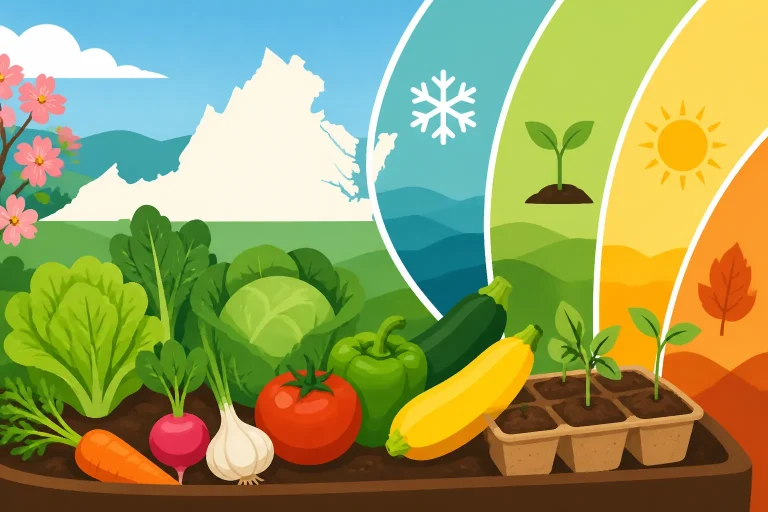
Virginia vegetable planting windows depend on frost, soil warmth, and local conditions; use hardiness zones as context, not a calendar for each crop.
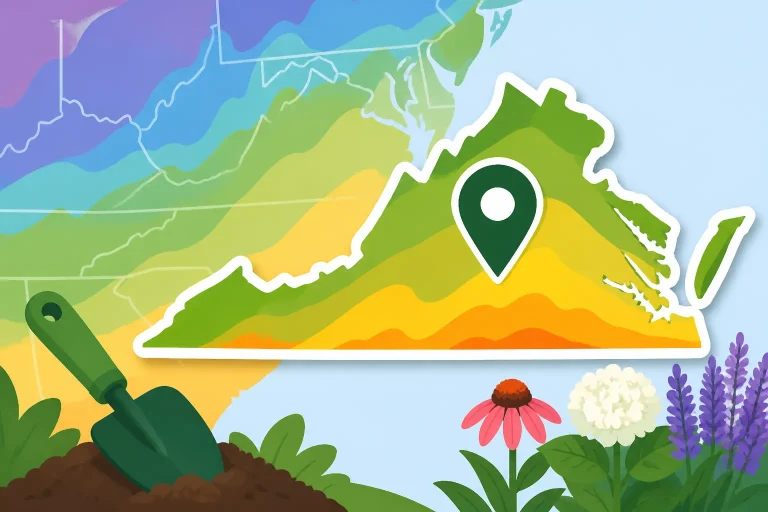
A Virginia planting zone is a starting point, not a sowing date; use the USDA map, then check local frost, soil, and microclimate conditions.
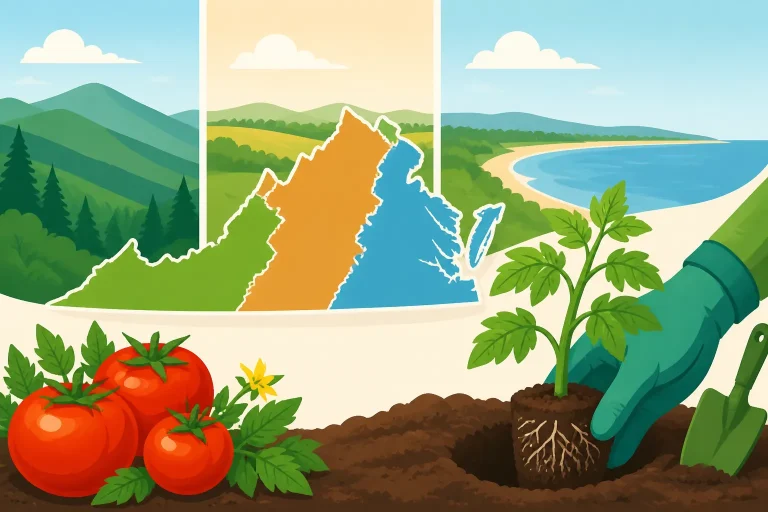
Tomato timing in Virginia is not one statewide date. A gardener near the coast may be ready to plant while a higher-elevation garden still faces cold nights. The reliable approach is to combine your local frost outlook with soil warmth, elevation, and the condition of your seedlings. Here’s how to choose a planting window that…
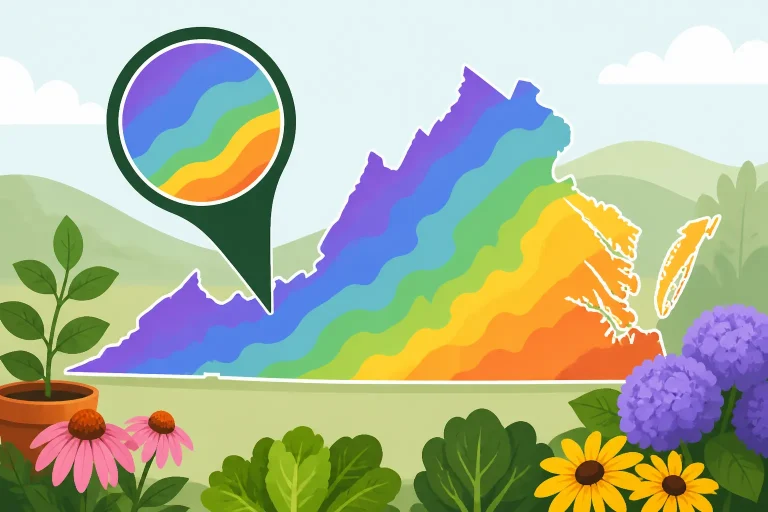
A Virginia ZIP code can help locate your hardiness zone, but use the map and local conditions together; zones guide plant choice, not planting dates.
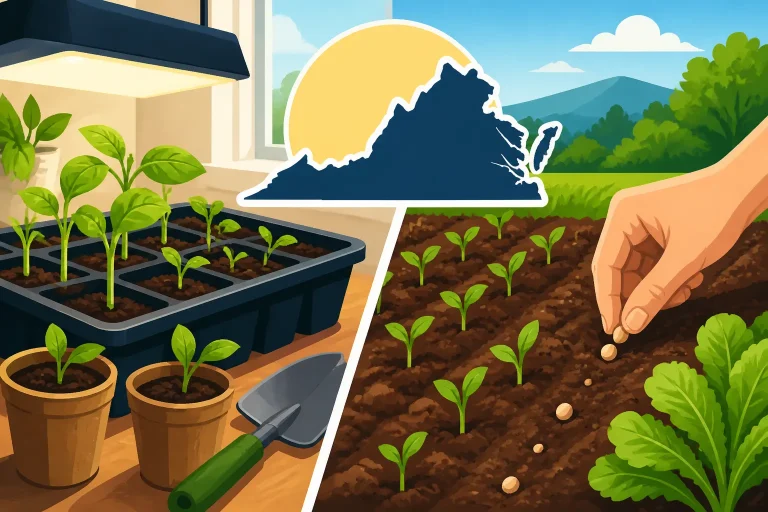
Virginia seed starting depends on the crop and local conditions: choose indoor or direct sowing to suit the plant, soil, and transplant timing.
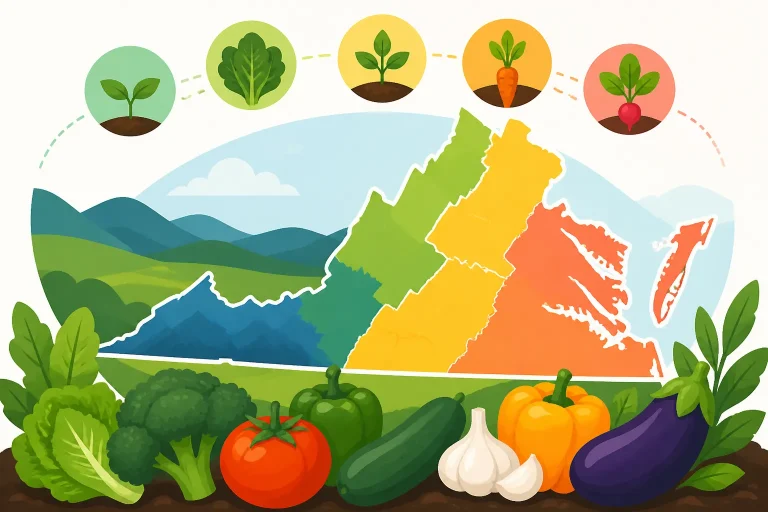
Virginia vegetable planting depends on region, soil warmth, frost risk, and crop type; use local conditions rather than a single statewide calendar.

Northern Virginia planting depends on frost risk, soil conditions, and local microclimates; use seasonal windows to time sowing and transplanting.
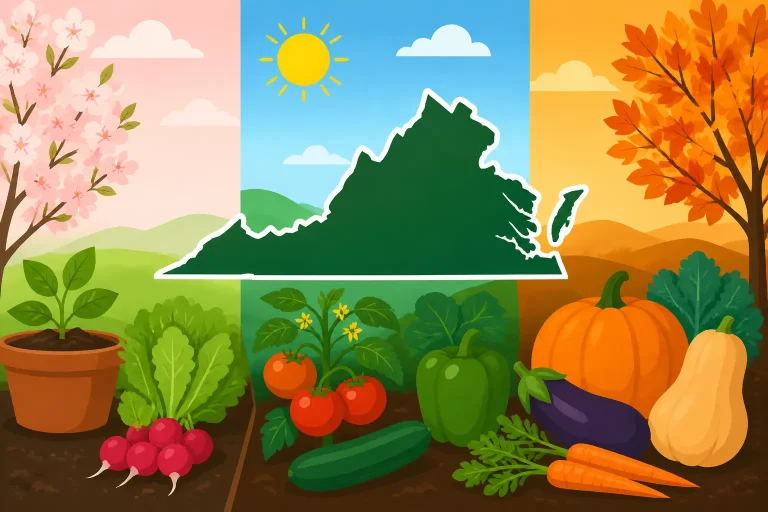
Virginia’s spring-through-fall crop calendar works best when planting follows regional weather, soil readiness, crop needs, and the changing season.
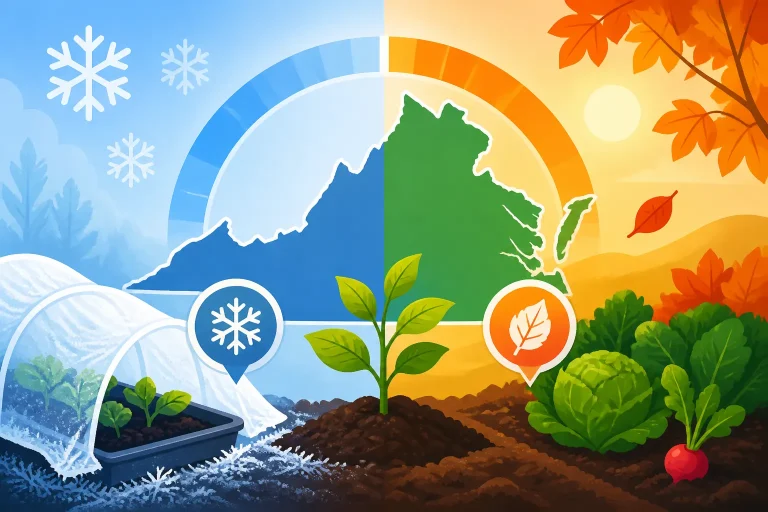
Virginia spring and fall freeze probabilities help gardeners weigh risk, choose planting windows, and protect crops without treating dates as guarantees.