Virginia Three-Season Crop Calendar: Spring Through Fall
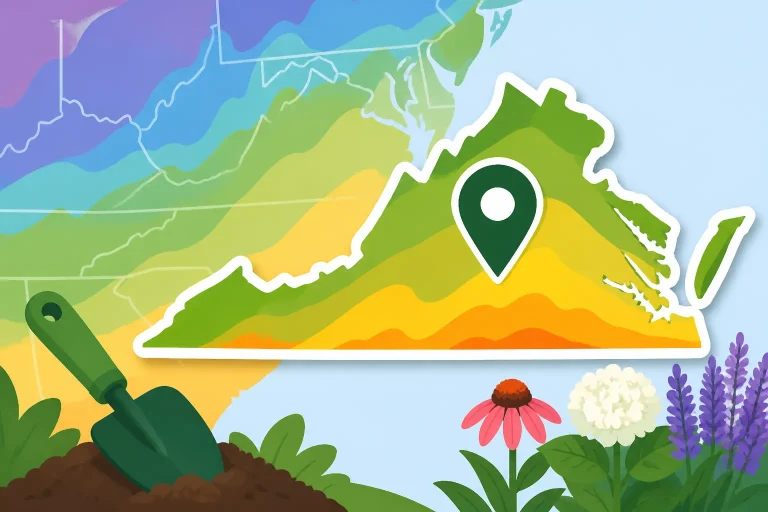
Virginia’s long north-to-south and mountain-to-coast gradients make a single planting calendar a poor fit for every garden. The useful approach is to plan around seasonal conditions: cool soil and lingering frost in spring, heat and moisture stress in summer, and shortening days and autumn cold in fall. This calendar explains how to time crops, adapt to your region, and keep beds productive across the growing season.
Build a calendar around conditions, not a single date
A planting calendar is most useful when it helps you decide whether a crop is ready for the conditions in your garden. A date on a calendar cannot account for a cold pocket in a mountain valley, a sheltered city yard, unusually wet soil, or a sudden change in weather. Instead of treating a planting date as a deadline, use it as a prompt to check the crop, soil, forecast, and bed.
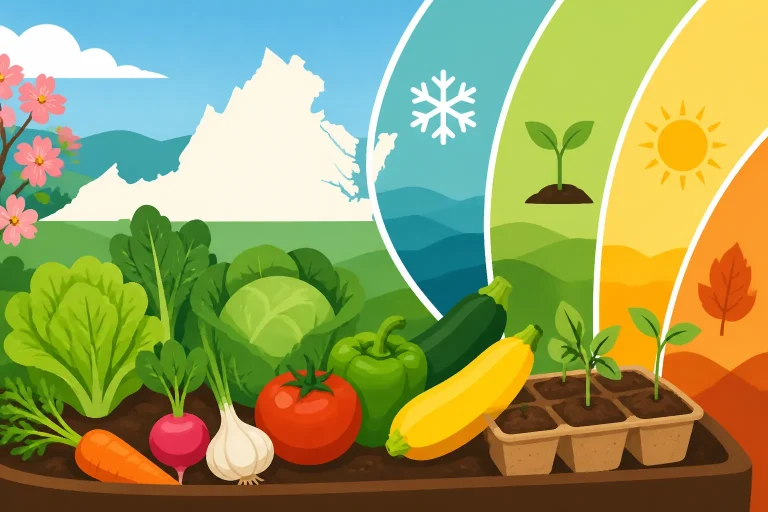
Start by sorting vegetables into broad seasonal groups. Cool-season crops generally cope better with cool weather and can be grown during spring or fall windows. Warm-season crops need warmer conditions to establish and grow well. Some crops are grown for their leaves, while others need enough time to flower and set fruit before cold weather arrives. Their different needs mean that the same bed may suit one crop early in the season and another after the weather changes.
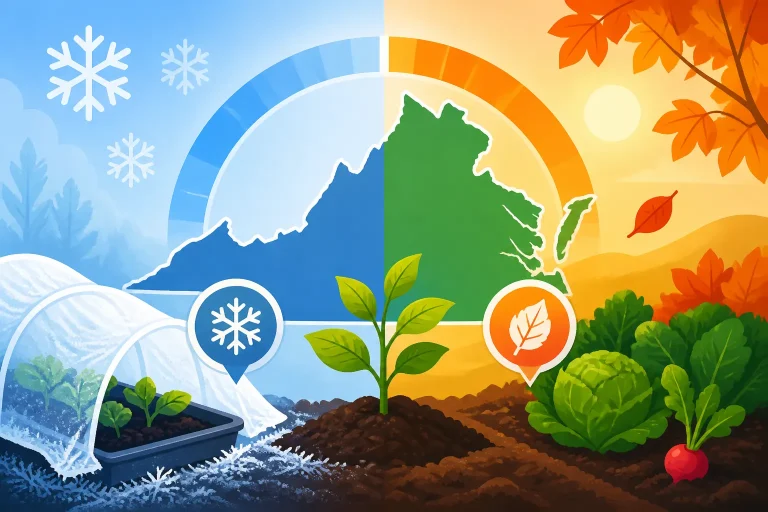
The three growing periods are linked. Spring planting is not just about getting the garden started; it can also set up space for later summer crops. Summer planting is not only about harvesting warm-weather vegetables; it is also the time to prepare a fall planting plan. Fall planting depends on work done while summer is still under way, because seeds or transplants need suitable conditions to establish before days shorten and temperatures drop.
| Season | Main planning question | Typical crop fit | Main timing concern |
|---|---|---|---|
| Spring | Is the soil workable, and can the crop tolerate the remaining cold? | Cool-season crops early; warm-season crops after conditions suit them | Cold soil, late frost, and wet beds |
| Summer | Can the crop handle heat, and can it mature before autumn weather? | Warm-season crops and planned follow-on sowings | Heat, dry soil, and crowded beds |
| Fall | Is there enough favorable growing weather for the crop to establish and mature? | Cool-season crops and selected quick-maturing vegetables | Shortening days and approaching cold |
Use the Virginia Vegetable Planting Windows by Hardiness Zone alongside local observations, but do not assume that a hardiness zone tells you when vegetables can be planted. Hardiness zones describe winter cold patterns and are mainly useful when choosing perennial plants. Vegetable planting decisions also depend on seasonal temperature, soil conditions, and how long a crop needs to grow. For help identifying your area on the USDA map, see How to Find Your Virginia Planting Zone on the USDA Map.
Frost estimates can help frame a plan, but they are probabilities rather than promises. A forecast can change, and a garden’s exposure can make conditions differ from those at a regional weather station. The Understanding Spring and Fall Freeze Probabilities for Planting explains why it is safer to treat a frost estimate as one factor among several. For day-to-day decisions, consider the crop’s tolerance, the outlook, and whether you can protect a planting if temperatures dip.
Keep a brief record of what happened in your own beds. Note when the soil became workable, which plantings struggled in cold or heat, and where frost lingered longest. Over time, these observations can help you adjust a general Virginia calendar to the conditions of your yard without relying on a fixed date that may not fit your site.
Spring: start with cool-weather crops and protect the warm-season plan
Spring is a transition, not a single planting event. A cool, wet stretch can delay work even when the calendar suggests it is time to sow. Conversely, a sheltered bed may warm sooner than an exposed site. The key is to distinguish crops that can tolerate cool conditions from those that need warmer soil and steadier weather.
Cool-season vegetables are often the practical starting point. Peas, spinach, and other cool-weather greens can fit into an early spring plan, while cabbage-family crops such as broccoli, kale, and cabbage may be started or transplanted according to their needs. These crops do not all respond the same way to cold, so check the seed packet or plant label and avoid treating “cool-season” as a guarantee that a seedling will tolerate every cold snap.
Early sowing is most successful when the bed is ready. Soil that is saturated, sticky, or easily compacted is not a good place to work, even if it has warmed somewhat. Walking or digging in wet ground can damage its structure and make later planting harder. Wait until the soil crumbles rather than smears when handled. If the bed is not ready, you can use the delay to prepare containers, check seed supplies, or start crops indoors when that approach suits the plant.
Direct sowing and indoor seed starting solve different problems. Direct sowing avoids transplanting and works well for crops that establish readily in their final location. Indoor starting can give a slow-growing or warm-season crop a protected beginning, but seedlings need adequate light and careful hardening off before they move outdoors. Starting too early can produce overgrown, stressed plants that are harder to establish than younger, sturdier seedlings. For help choosing between the methods, see Virginia Seed Starting: Direct Sowing vs Indoors.
Warm-season vegetables need a more cautious approach. Tomatoes, peppers, eggplant, cucumbers, squash, and similar crops can be damaged or set back when cold conditions persist. A brief mild spell is not the same as a settled warm-season planting window. Check soil and forecast conditions, and avoid setting out tender plants simply because daytime weather feels comfortable. If a cold spell arrives after planting, protective fabric may reduce exposure, but it cannot make a tender crop immune to unfavorable conditions.
Before setting out transplants, prepare the bed so roots can establish without competing with weeds or struggling in compacted ground. Water the seedlings as needed before transplanting, handle the root ball gently, and water the bed after planting to settle soil around the roots. Keep the plants protected from abrupt exposure to sun and wind by hardening them off gradually. For more on choosing a safe planting period for tomatoes, see Late Spring Freeze Risk: Safe Outdoor Dates for Tomato Seedlings and Safe Spring Soil Warmth for Setting Out Virginia Tomatoes.
The spring plan should include what comes next. A bed of spring greens may be cleared as plants finish, leaving space for a warm-season crop. A row of peas can eventually give way to another vegetable if the season and bed condition allow. Avoid planting every bed at once if doing so would leave no room for follow-on crops or make watering and harvest difficult. A modest succession can spread work and produce over a longer period.
Early spring weather can turn back toward cold after a stretch of mild days. Keep row covers available for short-term protection, but remove or manage them when conditions become warm enough to overheat plants. Check crops beneath covers rather than assuming that a protected bed is automatically safe. For a closer look at managing variable conditions, see Managing Planting Calendars for Fluctuating Early Spring Weather.
Summer: match planting choices to heat, water, and bed turnover
Summer is often the most active period in a vegetable garden, but it is also when heat and dry soil can make new plantings difficult. Warm-season crops may be growing strongly, while spring crops are finishing and fall beds need to be planned. A successful summer calendar balances harvest, maintenance, and the next planting rather than treating the season as a pause between spring and fall.
Warm-season crops should be established when their conditions are suitable, not simply as early as possible. Tomatoes and peppers need stable growing conditions to settle in, while cucumbers, squash, beans, and other summer vegetables have their own planting and harvest habits. Check the variety’s days-to-maturity information as a planning aid, but remember that those figures are estimates under particular growing conditions. Heat, water stress, shade, and disease can all affect how quickly a crop develops.
When a spring crop begins to decline, decide whether to keep it, harvest the remaining crop, or clear the bed for something else. Leaving exhausted plants in place can make it harder to prepare for a follow-on planting. At the same time, removing a healthy crop too early can waste useful harvest. Look at the plant’s condition, the amount of space it occupies, and what you want to grow next. Clear plant debris thoughtfully, especially if a crop has been diseased, and avoid carrying affected material into a new planting.
Succession planting helps keep a garden productive without requiring every crop to be planted at once. Rather than sowing a full bed of a quick-growing crop in one batch, you can divide the available space into smaller plantings made at different points in the season. That can distribute harvest and reduce the chance of having more produce ready at once than you can use. The approach works best when each new planting has room, adequate water, and enough time to grow in the conditions ahead. See Planning Multi-Crop Successions Across Virginia Beds for more on arranging overlapping plantings.
A succession does not have to mean repeating the same crop. A spring crop can be followed by a summer crop that prefers warmer conditions, and a cleared summer bed can later make room for fall vegetables. Check crop families and rotation plans rather than repeating the same crop in the same spot automatically. Crop rotation is a way to vary what grows in a bed, not a guarantee that pests or disease will disappear. Keep notes on where crops were planted so next season’s choices are easier to make.
Heat changes how you care for newly sown seeds and transplants. The surface of a bed can dry quickly, and tiny seeds need consistent moisture while they germinate. If the soil dries out between watering, germination may be uneven. A light mulch can help conserve moisture around established plants, but keep it from smothering seedlings or interfering with emergence. Water the root zone when possible, and check soil moisture rather than relying on a fixed schedule. Wind, soil texture, bed depth, and recent rain all affect how quickly a planting dries.
Shading may help tender seedlings during stressful heat, but excessive shade can leave plants weak or slow their growth. Use shade as a temporary tool when conditions call for it, and make sure plants still receive the light they need. Containers and raised beds can dry faster than in-ground plots, so monitor them closely. If a crop repeatedly struggles in a hot, exposed spot, consider shifting future plantings to a location with better conditions rather than trying to compensate indefinitely.
Summer is also the time to think ahead to fall. Check the time a crop needs to mature, then compare that with the seasonal conditions it will face as days shorten and temperatures cool. Do not wait until autumn weather has arrived to begin planning a fall garden. Seeds may need to be sown during warm weather so plants are established when cooler conditions return. A little shade and careful moisture management can help those seedlings get through the heat of establishment.
The Timing Cool-Season and Summer Crops Across Virginia can help you think through the changeover between crop groups. For sowing batches of crops with different maturation speeds, see Staggering Virginia Vegetable Sowings by Days to Maturity. Both approaches work best when you leave enough space and time for each crop, rather than trying to fit a new planting into every open patch without checking its needs.
Fall: plan backward from shortening days and colder weather
Fall crops succeed when they are planted with enough growing time to establish and produce before conditions become unfavorable. The challenge is that the best time to sow many fall vegetables can arrive while summer heat is still intense. Waiting until the weather feels autumnal may leave too little time for a crop to grow, especially in areas where cold arrives earlier or where autumn days shorten quickly.
Begin by choosing crops that fit your goal. Some gardeners want tender leaves for fresh use; others want roots or mature heads that can be harvested later. A crop that can be harvested young may fit a tighter window than one that needs to reach full size. Look at days to maturity as a guide, then allow for the fact that cooler weather and shorter days can slow growth. The number printed on a packet should not be treated as a promise for every Virginia garden.
Work backward from the expected end of the favorable growing period. Consider how long the crop needs, whether you will sow directly or transplant, and how much time it needs to establish before growth slows. Local frost information can help you understand the seasonal pattern, but a frost date is not a fixed cutoff. The Virginia Frost and Freeze Date Guide for Gardeners offers context for interpreting those estimates, while Fall Crop Planning: Adjusting Sowing Dates for Slow Autumn Growth addresses the way fall conditions affect development.
A cool-season crop may germinate poorly if its seedbed is hot and dry. Prepare the bed carefully, keep the surface evenly moist while seeds establish, and provide temporary protection from harsh afternoon sun if needed. Avoid letting a newly sown area dry out and then trying to compensate with a heavy soaking that washes seed into clumps. For crops that are normally transplanted, start healthy seedlings in a suitable setting and move them out when the bed and weather are appropriate.
As summer crops finish, clear space without leaving the soil exposed and neglected. Remove spent plants, deal responsibly with diseased debris, and check whether the bed needs compost or other amendment based on its condition and intended crop. Do not add fertilizer or lime by habit; use soil information and product directions to guide any amendment. A tidy, prepared bed is easier to sow and water than one crowded with old stems and weeds.
Protective fabric can extend the usable season or reduce exposure during a brief cold spell, but it does not erase the limits of the weather. Covers need to be secured, monitored, and adjusted so plants do not overheat in mild sunny conditions. They can also complicate access for watering and harvesting if left in place without inspection. Match the protection to the crop and conditions, and do not rely on a cover to make a cold-sensitive crop suitable for an otherwise poor planting window. See Extending Fall Harvest Windows Using Protective Fabric Covers for more detail.
The autumn calendar also includes a decision about when to stop sowing. A crop can germinate and still fail to reach a useful harvest if it is planted too late for the remaining light and warmth. Conversely, there may be room for a quick-growing crop where a longer-season vegetable would be risky. The right choice depends on the crop, your local conditions, and whether you are willing to harvest at a smaller stage. For more information on fall gardens, consult Fall Vegetable Gardening, Virginia Cooperative Extension Publication 426-334.
Adjust the calendar for Virginia’s regions and your own yard
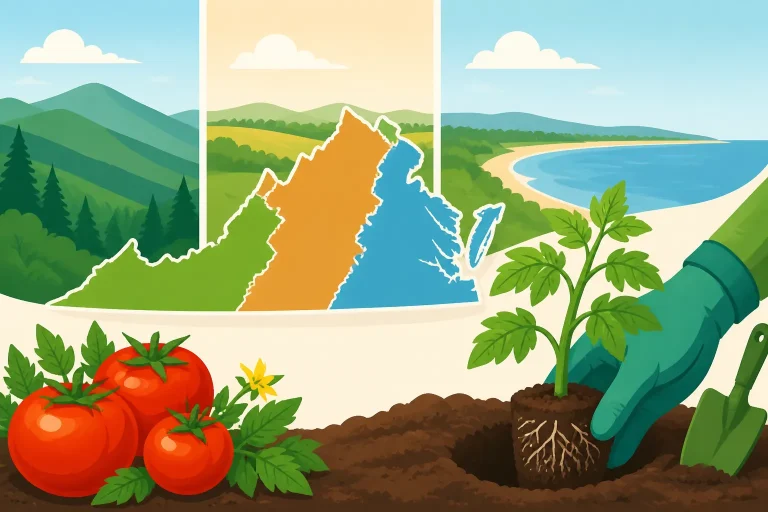
Virginia’s varied geography affects the pace of spring warming, the length of favorable fall conditions, and the likelihood of cold air settling in a particular garden. Coastal sites, Piedmont gardens, and mountain locations do not move through seasonal conditions in lockstep. Even within a region, a low-lying open bed may behave differently from a sheltered plot near a building or a sunny slope.
Use regional guidance as a starting point, then compare it with what is happening in your garden. The Virginia Vegetable Planting Calendar by Region can help organize the broad differences. For the Piedmont, see Piedmont Virginia Planting Calendar: Spring to Fall Windows; for the Shenandoah Valley, see Shenandoah Valley Garden Calendar: Monthly Sowing and Tasks; and for coastal conditions, see Coastal Virginia Vegetable Gardening: Spring Through Fall Timing. These references help narrow the planning question, but the actual readiness of your bed still matters.
Elevation and local land shape can influence when a garden warms and cools. Cold air tends to settle in some low areas, while an exposed ridge may be subject to wind and rapid drying. A south-facing wall can create a warmer pocket, but reflected heat can also make conditions harsher in summer. A sheltered urban yard may warm sooner than an open site nearby. None of these patterns is guaranteed, so use observation rather than assuming that every yard in a named area behaves alike.
Pay attention to the details of your site:
- Sun exposure: A sunny bed may warm sooner in spring but can dry more quickly in summer. Shaded beds may remain cooler but can limit growth for crops that need strong light.
- Drainage: Soil that stays wet after rain may delay planting and can be damaged if worked while saturated. A well-drained bed may become workable sooner but also lose moisture faster.
- Wind exposure: Wind can dry leaves and soil, and it can stress young transplants. A sheltered location may protect seedlings, though dense barriers can also reduce airflow.
- Slope and position: Low spots may collect cold air or water, while slopes can drain more quickly and may need attention to erosion and moisture.
- Urban surroundings: Pavement and buildings can affect local warmth. A warm microclimate may help some crops, but it does not remove the need to check soil and weather.
Keep a garden log that records outcomes rather than just planting dates. Note which areas stayed wet, where frost damage appeared, how quickly seedlings established, and whether a crop matured before cold weather. Record problems as well as successes. If a planting failed, note whether the likely issue was cold, heat, drying, shade, crowded spacing, or an unsuitable crop for the available time.
This record will help distinguish a regional pattern from a site-specific one. If a crop repeatedly performs well in a protected bed but poorly in an exposed bed, the difference may matter more than the countywide calendar. If spring soil remains cold or wet in a particular area, shift early sowings toward a better-drained bed or wait until conditions improve. For gardens with a shorter favorable window, Planting Schedules for Short Freeze-Free Growing Seasons offers additional planning context.
Put the calendar to work with a flexible bed plan
A season-long calendar becomes easier to use when it is connected to the actual space in your garden. Sketch the beds, note where crops are growing, and mark which areas may open as spring or summer crops finish. You do not need a complicated chart. A simple plan can help you avoid sowing a crop into a bed that is still occupied or forgetting to prepare a fall planting while summer work is demanding attention.
Start with the crops you most want to harvest. Give those crops suitable light, room, and access for watering and picking. Then decide what can fit around them. Avoid filling every available space with a plant just because the garden looks empty. Crowding can reduce airflow, make harvesting awkward, and increase competition for water. A bed with enough room for healthy growth is often more productive than a densely packed bed that is hard to maintain.
Plan for transitions. As a spring crop approaches harvest, decide what could follow it and prepare for that change before the space becomes vacant. As warm-season crops fill out, identify which beds can be used for fall crops and when they might be ready. If you want to grow a crop from seed, make sure you have a suitable seedbed and a plan to keep it moist during germination. If you plan to use transplants, allow time to raise or obtain sturdy plants and harden them off.
A practical seasonal workflow looks like this:
- Before spring planting: Check stored seed, inspect beds, and avoid working soil that is saturated. Sort crops by cold tolerance and decide which ones will be sown directly or started indoors.
- During spring: Begin with suitable cool-weather crops. Watch for changing conditions, keep protection available for vulnerable plants, and avoid setting out tender crops into lingering cold.
- As summer begins: Review which spring crops are finishing. Clear beds when appropriate, prepare warm-season plantings, and keep up with watering while plants establish.
- During summer: Harvest regularly, monitor moisture, and make space for later sowings. Check the maturity needs of potential fall crops before the season advances.
- As fall approaches: Sow or transplant crops while there is still time for them to establish. Keep seedbeds moist, manage heat stress, and consider protection for crops that will remain in the garden as temperatures cool.
- After the main harvest: Remove spent plants, note what worked, and make a plan for improving beds before the next growing cycle.
Make the plan flexible enough to survive weather changes. A late cold spell can delay planting, while a hot, dry period can make a planned sowing difficult. If conditions are poor, postponing is often wiser than forcing the schedule. You can adjust by choosing a crop that better suits the available window, moving a planting to another bed, or focusing on maintenance until conditions improve.
Keep a short list of backup options. If a warm-season transplant cannot go out safely, hold it in good condition rather than planting into cold soil. If a summer bed becomes available later than expected, choose a crop that can still fit the remaining season instead of repeating the original plan automatically. If a fall seedbed is too hot, use temporary shade and careful watering, or wait for more suitable conditions while checking whether the crop will still have enough time.
The calendar should support good decisions, not create pressure to plant on a particular day. Pay attention to what the crop needs, what the soil is doing, and what the weather is likely to do next. The more often you connect your plan to those conditions, the more useful your notes and regional references become.
Frequently Asked Questions
Can one Virginia planting calendar work for every region?
It can provide a general framework, but it should not be treated as a universal schedule. Coastal, Piedmont, valley, and mountain gardens can experience different seasonal conditions. Use regional guidance, then adjust for your elevation, exposure, drainage, and observed weather.
Should warm-season crops go into the garden as soon as spring feels mild?
Not necessarily. A brief warm spell does not mean the soil and forecast are suitable for tender crops. Check the crop’s needs and wait for conditions that support establishment. Protecting a plant can help with limited exposure but cannot guarantee success through persistently unfavorable weather.
When should I start planning fall vegetables?
Begin planning while summer crops are still growing. Fall crops often need to be sown or transplanted before autumn weather arrives, and shortening days can slow growth. Consider the crop’s time to maturity and the conditions it will face as the season changes.
What should I do if the calendar and my garden conditions disagree?
Trust the conditions in the bed over a rigid schedule. Delay sowing if soil is too wet, protect vulnerable crops when cold threatens, and adjust the crop choice if the remaining season is limited. Notes from previous seasons can help you refine your plan.
Sources
- Virginia Cooperative Extension — content (checked November 15, 2026)
Disclaimer
This article is for general informational purposes only and does not constitute professional advice. Laws, prices and regulations vary by location and change over time. Consult a qualified professional for guidance on your specific situation. Virginia Gardening Guide is not a government agency and is not affiliated with any university extension, state department of agriculture or other government agency.